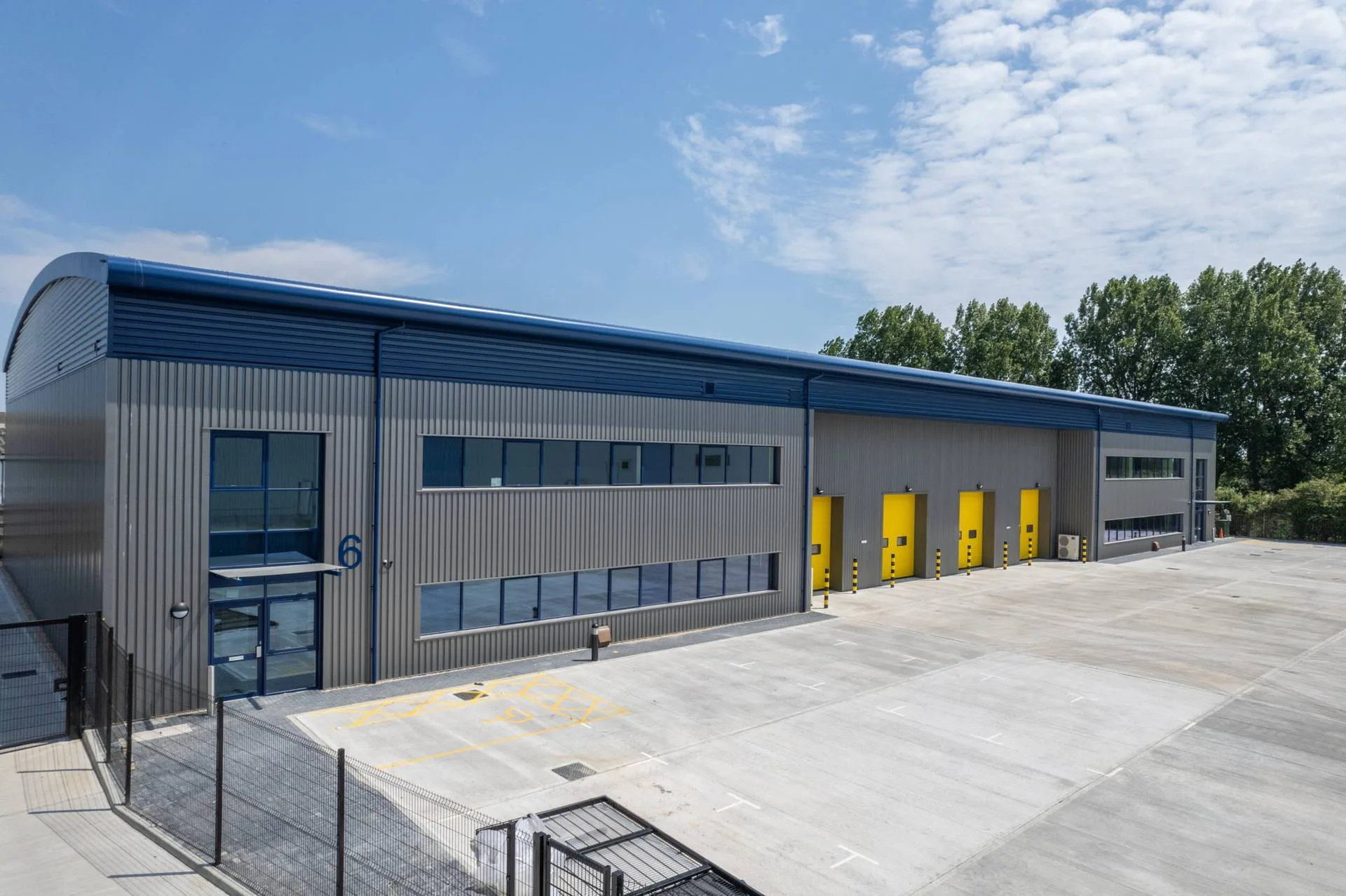
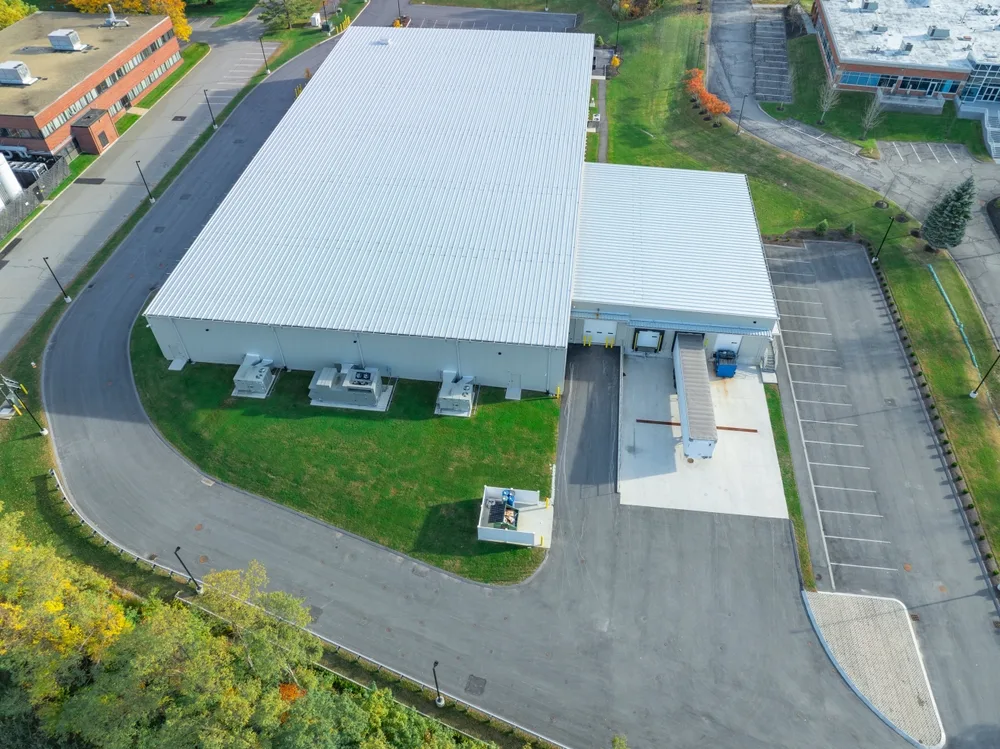
The UK commercial property market has undergone significant structural change, but few sectors have proved as resilient as industrial and logistics real estate.
Once viewed as a largely functional sector, industrial property has become a vital part of the UK’s economic infrastructure. Across Central Southern England, the M27 corridor and key locations throughout Hampshire, Sussex and Dorset, demand for good-quality industrial space continues to outstrip supply. So, what is driving this demand?
1. E-Commerce and Last-Mile Delivery
The growth of e-commerce has permanently changed how goods are stored and distributed. Online retail requires more logistics space than traditional retail, with additional requirements for inventory, fulfilment, order processing and returns.
At the same time, expectations for faster delivery have pushed logistics operations closer to population centres. This has increased demand for strategically located industrial premises near major transport routes such as the M27, M3 and A3(M).
Large distribution centres remain important, but businesses increasingly need localised trade units, parcel depots and fulfilment facilities to support same-day and next-day delivery.

2. From ‘Just-in-Time’ to ‘Just-in-Case’
For decades, businesses relied on Just-in-Time supply chains to minimise inventory and storage costs. However, global disruption, geopolitical uncertainty and shipping delays have exposed the vulnerabilities of this model.
Many businesses are now holding higher levels of stock to protect against supply-chain disruption and maintain continuity. Nearshoring is also encouraging manufacturers to bring production, assembly and storage closer to their key markets.
For industrial property, the implication is straightforward: more stock requires more space.
3. A More Diverse Occupier Base
Industrial estates are no longer dominated by traditional warehousing and manufacturing. The occupier base has expanded to include a broad range of businesses, including:
- Advanced manufacturing: Precision engineering, technology and specialist production.
- Trade counters: Builders’ merchants, automotive businesses and trade suppliers.
- Cold storage: Growing requirements from pharmaceutical, food and online grocery operators.
- Clean technology and infrastructure: Emerging businesses requiring secure premises and significant power capacity.
This diversification supports resilient occupier demand across a range of industries and reduces reliance on any single sector.
For businesses looking for their next industrial premises, Holloway Iliffe & Mitchell’s commercial property agency team can provide advice on acquisitions, sales, lettings and leasing across the South Coast.

4. Land Scarcity and Limited Supply
Strong demand is only one side of the equation. The supply of modern industrial premises across Southern England remains constrained.
Limited land availability, planning restrictions and competition from alternative uses restrict the delivery of new industrial space. Meanwhile, higher construction and financing costs have made speculative development more challenging.
The result is a persistent supply-demand imbalance, particularly for well-located, high-specification Grade A units. Where suitable space is limited, occupiers are often prepared to compete for the best premises, supporting rental growth and strengthening the investment case for quality assets.
Holloway Iliffe & Mitchell’s available commercial properties provide an indication of the industrial and commercial space currently being marketed across the region.
5. ESG and Asset Modernisation
ESG considerations are increasingly influencing both occupational and investment decisions.
Occupiers are looking for buildings that can reduce energy costs and support their sustainability objectives. Features such as strong EPC ratings, solar PV, EV charging and improved thermal efficiency can therefore enhance the appeal and long-term competitiveness of an industrial property.
For landlords, this creates both a challenge and an opportunity. Older secondary stock may become increasingly difficult to let, but refurbishment and retrofit can improve marketability, extend an asset’s useful life and unlock additional value.
For owners considering the performance or future potential of an industrial asset, we also provide commercial property valuation and property management services.

Navigating the Market with Holloway Iliffe & Mitchell
The fundamentals supporting industrial and logistics property remain strong: evolving supply chains, continued e-commerce demand, a diverse occupier base and significant constraints on new supply.
For investors, landlords and occupiers, understanding these dynamics is key to making informed property decisions.
Holloway Iliffe & Mitchell is an independent firm of Chartered Surveyors specialising in commercial property across Central Southern England. Whether you are looking to acquire, lease, dispose of or optimise a commercial property, our team provides clear, practical advice tailored to your objectives.
Contact our team to discuss your commercial property requirements across Hampshire, Sussex, Dorset and the wider South Coast.